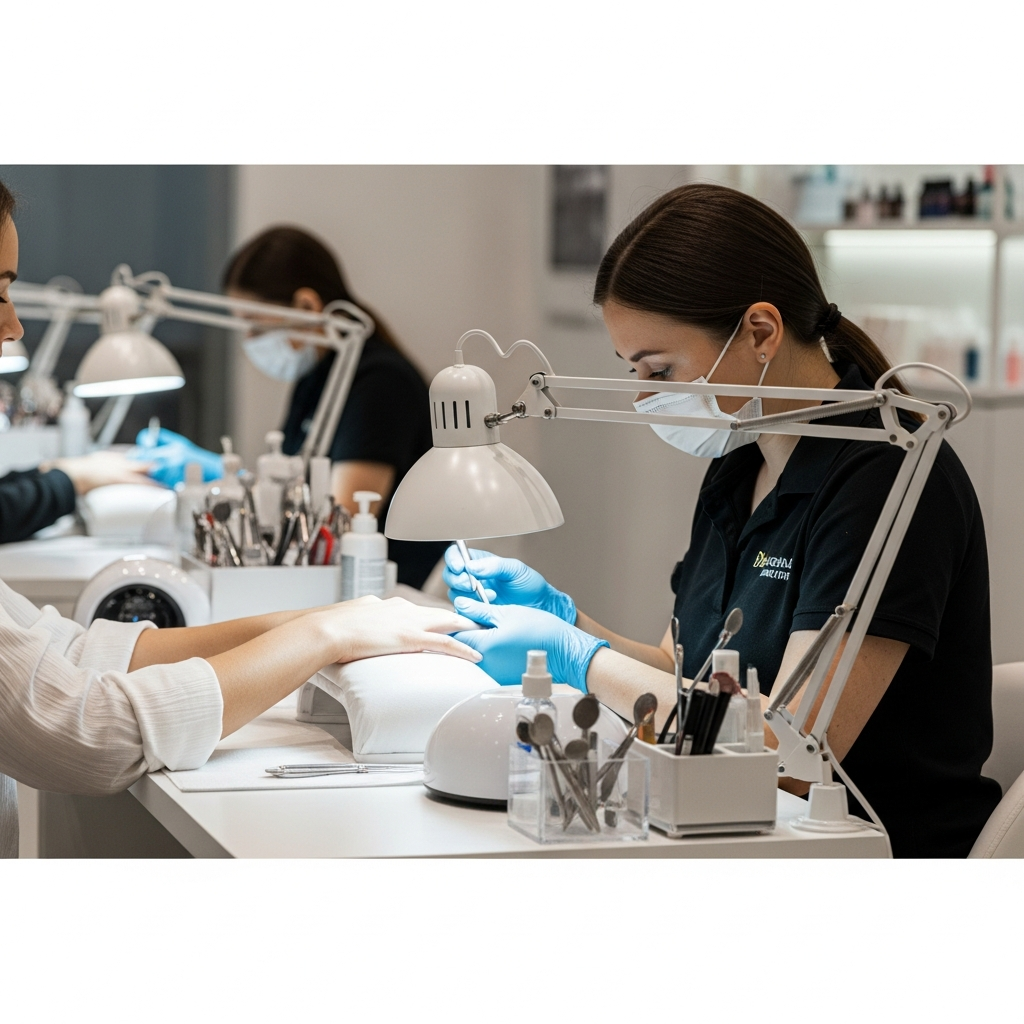
Implementing Source Capture Air Purification in Nail Salons
Nail salon environments face unique challenges regarding air quality due to the constant presence of fine filing dust and chemical vapors.
Source capture systems provide a direct solution by extracting contaminants at the point of origin before they disperse into the breathing zone.
Implementing these systems is a critical decision for salon owners focused on health standards and technician longevity.
Why Nail Salon Owners Need Professional Air Filtration
Acrylic monomers (EMA), gel polishes, and adhesives release Volatile Organic Compounds (VOCs) that can lead to long-term respiratory sensitivity.
Traditional HVAC systems are insufficient because they merely recirculate air rather than removing specialized chemical particles and heavy odors.
Professional nail air purification focuses on specific filtration layers designed to neutralize these industrial-grade chemicals and fine particulates.
Key Components of a Nail Source Capture System
HEPA Filtration for Nail Dust Control
High-Efficiency Particulate Air (HEPA) filters are essential for trapping microscopic nail dust generated during manual filing and e-file use.
This dust is often coated in chemicals and polymers, making it more hazardous than standard household dust when inhaled or settled.
Proper HEPA filtration ensures that technicians and clients are protected from fine airborne particulate matter throughout the service.
Activated Carbon for Chemical Vapor and Odor Removal
Activated carbon filters are the primary defense against the strong odors and vapors associated with liquid monomer and acetone.
The carbon must be specifically treated to adsorb the chemical weight of nail products, ensuring a neutral-smelling environment for the salon.
A high-quality carbon bed reduces the risk of chemical overexposure and headache-inducing vapors for full-time professional staff.
Strategic Placement for Maximum Efficiency
Effective source capture requires the extraction arm or vent to be placed within six inches of the nail application area.
This proximity ensures that the vacuum pressure is strong enough to pull dust and vapor directly into the filtration unit before it rises.
Salon owners must train staff to position these intake vents correctly during every service to maintain safety and hygiene standards.
Maintenance Standards for Nail Salon Air Quality
Regular filter replacement is non-negotiable for maintaining the effectiveness of any professional nail air purification system.
Failure to maintain filters results in decreased suction and allows chemical odors to linger in the salon workstations and reception areas.
Owners should follow a strict schedule to ensure the system operates at peak performance:
- Pre-filters: Clean or replace weekly to remove large nail dust debris.
- HEPA Filters: Replace every 6 to 12 months depending on service volume.
- Carbon Filters: Replace when chemical odors become detectable in the exhaust.
Keeping a maintenance log ensures the salon remains compliant with professional safety guidelines and manufacturer warranties.
Investing in high-grade air purification demonstrates a commitment to a professional, safe, and premium service environment for everyone.
