Evaluating Professional Sterilization Systems for Nail Salons
Selecting the right sterilization system is a critical investment for any nail salon owner. It ensures client safety while protecting your professional metal implements.
This guide compares the leading sterilization technologies used in the modern nail industry. We focus on efficacy, operational costs, and salon workflow integration.
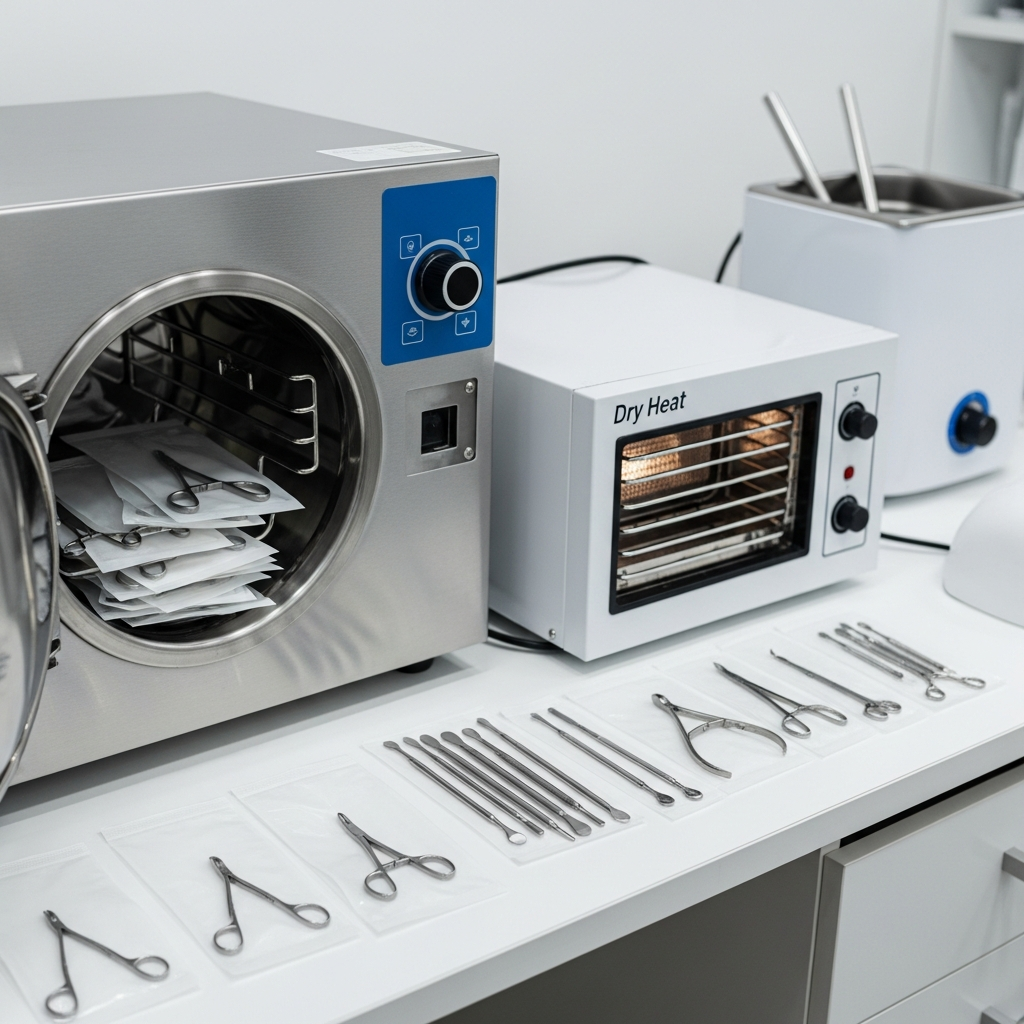
Autoclaves: The Gold Standard for Nail Implements
Steam autoclaves use high-pressure saturated steam to eliminate all microorganisms. This includes highly resistant spores that standard liquid disinfectants might miss.
- Pros: Fastest cycle times for high-volume nail salons.
- Pros: Most recognized method by international medical and safety standards.
- Cons: Higher initial purchase price and requires consistent distilled water.
Autoclaves are ideal for stainless steel cuticle nippers and carbide nail bits. They provide a verifiable sterilization record often required by strict state board inspectors.
Dry Heat Sterilizers for Precision Nail Tools
Dry heat sterilizers use high temperatures to achieve sterilization without moisture. This process prevents the oxidation and rusting of high-carbon steel nail tools.
- Pros: No risk of tool corrosion or dulling from moisture exposure.
- Pros: Lower maintenance costs and no chemical consumables required.
- Cons: Longer cycle times can slow down technician tool rotations.
Owners should consider dry heat if their inventory consists of specialized luxury nippers. The absence of moisture preserves the sharp edges of precision nail instruments longer.
High-Level Liquid Disinfectants vs. Sterilization
While EPA-registered hospital-grade disinfectants are mandatory, they are often confused with true sterilization. Disinfection is for surfaces; sterilization is for skin-piercing tools.
Liquid cold soaks are cost-effective for non-porous items like plastic nail brushes. However, they require frequent solution changes and strict immersion timing to remain effective.
Operational Factors for Salon Decision Makers
When evaluating these systems, consider the physical footprint in your sterilization area. Compact autoclaves fit easily on counters near the ultrasonic cleaning station.
Calculate the total cost of ownership including power consumption and indicator strips. A reliable sterilization workflow reduces the risk of liability and professional fines.
Implementing a Professional Sterilization Workflow
Successful nail salon owners implement a “Clean, Disinfect, Sterilize” protocol. This ensures every pusher and bit is safe for the next client appointment.
- Pre-clean tools in an ultrasonic bath with nail-specific detergent.
- Dry tools thoroughly before placing them in sterilization pouches.
- Log every cycle to maintain professional safety and compliance standards.
